

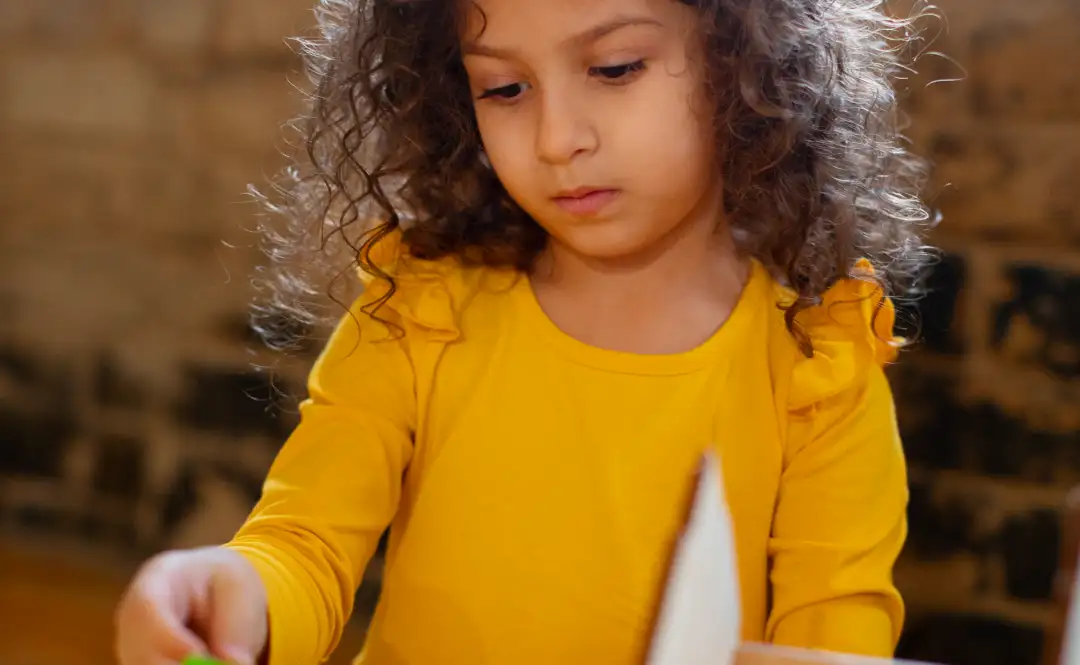
A child’s early years are shaped not only by big milestones, but also by the small everyday moments that often go unnoticed. A child’s first words, first steps, or the first day of school usually stay in memory forever. But some of the most important developmental moments happen quietly during everyday interactions. A child reaching out to be comforted, responding to a familiar voice, exploring different textures during play, or laughing during simple games may seem ordinary, yet these small experiences help shape lifelong development.
During the first five years, a child’s brain develops more rapidly than at any other stage of life. Children learn through movement, relationships, play, sensory experiences, and their environment long before formal learning begins. Everyday activities such as talking, reading stories, climbing, drawing, playing on the floor, listening to songs, or following simple routines help build important connections related to speech, communication, emotional regulation, motor development, attention, and social interaction.
Early Experiences Build Developmental Foundations
Young children understand the world through exploration and interaction. Many children communicate through gestures, movement, eye contact, and play before they are able to fully express themselves with words and speech. Through movement, sensory experiences, and active play, children gradually strengthen coordination, body awareness, confidence, attention, and participation skills while learning to explore their environment, interact with others, and become more independent in everyday activities and learning.
Simple activities that involve movement, play, and exploration may look ordinary on the outside, but they support important developmental skills related to coordination, motor planning, attention, participation, and overall learning. These early skills later contribute to everyday activities such as writing, self-care, classroom participation, and independent learning.
In therapy settings, it is often seen that children learn best when they feel emotionally safe, encouraged, and connected with the people around them. Small moments of interaction and play can gradually become meaningful opportunities for communication, confidence building, and developmental growth.
Every Child Develops in Their Own Way
While children follow similar developmental patterns, every child grows at their own pace. Some children naturally achieve milestones with ease, while others may need additional developmental support in areas such as communication, motor skills, sensory processing, attention, behaviour, or social interaction.
Parents are often the first to notice when something feels different during everyday routines. Sometimes concerns begin with very small observations. A child may struggle to participate in play, show limited interaction, experience delayed communication, avoid certain sensory experiences, or find particular movements challenging.
Instead of labelling a child for their challenges, seeking support early can open opportunities for growth and development. With the right guidance, encouragement, and developmental support, children can strengthen important skills, participate more confidently in everyday life, and continue moving from label to enable in their own unique way.
Why Early Intervention Matters
A multidisciplinary early intervention centre can help children receive the developmental support they need through a collaborative and child centred approach during the most important years of growth and learning. Early intervention focuses on strengthening developmental skills through therapy, guided activities, play based approaches, and structured support tailored to a child’s individual needs.
Parent coaching is equally important throughout this journey. Parents spend the most time with their children, and even small changes in everyday interaction can create meaningful opportunities for learning and developmental progress at home. When families are supported and involved in the process, children often feel more confident carrying these skills into their daily lives.
Building the Foundation for the Future
The first five years are not simply about reaching milestones. They are about building the foundation for lifelong learning, confidence, relationships, independence, and emotional wellbeing. With early understanding, encouragement, developmental support, and meaningful experiences, children can continue to grow with confidence and reach their fullest potential in their own unique way. With patience, guidance, and the right support, children and families can gradually move from coping to conquering through every stage of the developmental journey.