

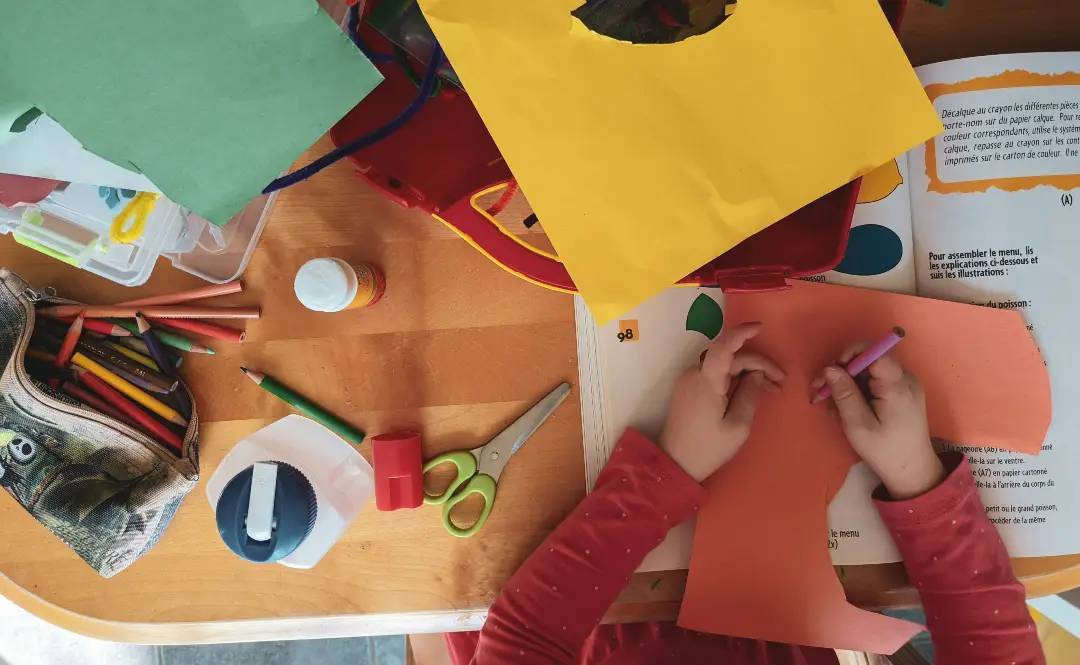
One of the first steps in the developmental journey of a child is to identify the need and decide to help. It’s natural to have concerns and queries about it. Questions like “The right time to start therapy?” or “What is the ideal therapy for the concerns we have? And so on and so forth.
From years of experience from years of clinical exposure and research, we conclude that the Earlier the concerns are identified and the therapy starts the better it is. It is quite simple : The earlier the better. This is one of the most powerful tools that results in a significant influence in a child’s development and this is what makes a difference to the whole family.
During the initial years a child’s brain develops at a remarkable rate. This is referred to as the period of high “neuroplasticity,” by the Neuroscientists. During this phase the brain is flexible and forms connections at aspeed of more than one million per second. The connections made during this period are the foundation of the future learnings, behaviour and health of the child.
Also Read: Guide to Managing and Challenging Behaviours
Introduction of the New Horizons Developmental Program (NHDP) in this critical window, ensures that the child’s brain gets the required stimuli to grow. NHDP does not teach a skill in isolation but also helps and assists to build and strengthen the neural pathways to support communication, emotional regelation and movement for a lifetime.
Consider what this looks like in everyday terms. A child who struggles to roll over or crawl doesn’t just have a delay in movement, they have limited opportunities to explore their environment, which can impact their curiosity and learning. A toddler who cannot yet express their needs with words isn’t just quiet- they may be frustrated, leading to meltdowns that leave both child and parent feeling helpless. A child who is overwhelmed by the sensory input of a busy grocery store isn’t being difficult- they are reacting to a world that feels overwhelming to their system. Early intervention addresses these challenges at their root. By supporting motor skills, a child gains the freedom to explore. By building communication, we replace frustration with connection. By understanding sensory needs, we help a child feel safe and regulated in their own body.
Starting early also protects a child’s emotional wellbeing. When challenges go unaddressed, children can begin to internalize frustration. They may withdraw or stop trying new things.
What makes a big difference in this is the early support the child receives. It provides the right amount of support to build a stable foundation with the right amount of confidence and resilience. It shows the children that they are capable and they are a part of the society and the world. It gives every child an opportunity to move towards an environment of understanding and hope.
Equally important is the support early intervention provides for the entire family. For every child its family is one of the most important influences. When the intervention therapy starts early at the right time, our professionals work in unison with the families to give the right guidance and offer strategies that helps the parents to understand their child. This understanding is in terms of their child’s unique cues and how to make every day routines of the child. Simple routines like mealtime, bath time and playtime become powerful tools for growth. This takes a child and intern the whole family on a path of confidence and hope.
Hence early intervention is one of the most effective choices a parent can make for the child’s betterment. It’s not about being aggressive with the child’s developmental milestones but its more about meeting them midway where they currently are and to provide them ways and therapy sessions to help them and enable them to be a part of the society with confidence. It is about providing them with a foundation that makes then confident and self-reliant adults in the future. With the right support and guidance every child can thrive and live a much more fulfilling life.
However, Choosing to start early intervention helps prevent small issues from becoming long-term challenges. Early intervention provides the right direction for children who have difficulty with age-appropriate social interactions.
It helps children understand who they are interacting with and learn the difference between family members and strangers. With the right support at the right time, early intervention also helps children build essential self-care skills and develop a better understanding of activities of daily living.
For example, consider two children at our Centre: Child A began NHDP intervention at 2 years 5 months, when delays in social engagement and motor skills were first noted. Today, at age 4, Child A confidently interacts with peers, independently dresses for the day, and explores new environments, outcomes mirroring research where younger starters show steeper progress in language, social skills, and adaptive behaviours. In contrast, Child B started at 5 years after challenges compounded, requiring more intensive catch-up; while improving, Child B still struggles with stranger differentiation and self-care compared to Child A, highlighting how earlier entry leverages peak neuroplasticity for greater gains.
For parents, this journey becomes a new beginning, a chance to move from worry to understanding, and from uncertainty to hope. Equally important is the support early intervention provides for the entire family. Parents are a child’s first and most important teachers.
Early therapy and timely guidance and strategies help every family to understand the child and the unique capabilities which can be used to make every day routines like meals, bath time, play time etc into significant and powerful opportunities for growth, offering the child and the family to walk the path of confidence and hope.