

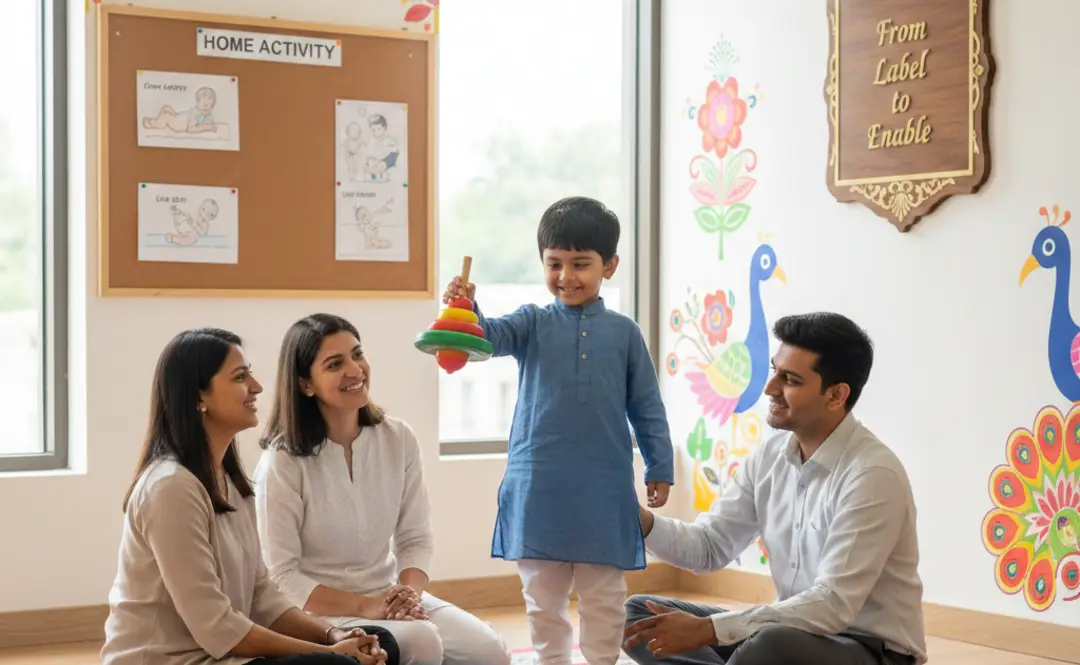
At New Horizons Child Development Centre (NHCDC), we understand that noticing motor delays in children can feel worrying for parents and caregivers. Rest assured, many children experience delays in motor skills and make meaningful progress with timely, supportive care. Our multidisciplinary team is dedicated to providing compassionate, evidence-based guidance rooted in integrity, teamwork, and excellence.
Understanding Motor Delays in Children
Motor delays in children refer to when a child takes longer than expected to achieve gross motor milestones, such as rolling over, sitting up, crawling, standing, or walking. These delays in motor development in children can affect gross motor skills (large movements involving the body) or fine motor skills (precise actions like grasping objects) and how the child adapts to his surrounding and his ability to play with his age appropriate peers. While some children catch up naturally, others benefit from structured support to build strength, coordination, and confidence.
Developmental Delay in Children and Its Impact on Motor Skills
Developmental delay in children often appears first in motor areas, as movement is a key way young children explore and interact with their world. Delays in motor skills can influence play, self-care, and social engagement. Early recognition helps prevent secondary challenges, like reduced participation in activities, and supports overall growth.
Common Delays in Motor Development in Children
Typical delays in motor development in children include not rolling by 6-7 months, sitting unsupported by 9 months, walking independently by 18 months, or showing persistent clumsiness in pre-schoolers. These variations are common, but consistent patterns warrant attention.
Early Signs of Motor Delays Parents Should Watch For
Signs of motor delays may include floppy or overly stiff muscles, difficulty holding the head steady in infancy, trouble reaching for or transferring toys, or avoiding tummy time. Parents often notice limited exploration during play or frequent falls in toddlers.
Motor Delay Symptoms Across Different Age Groups
Motor delay symptoms evolve with age. Infants might show poor head control or delayed rolling; toddlers could struggle with standing or walking; pre-schoolers may have challenges with running or jumping. Monitoring against reliable milestones from helps identify concerns early.
Causes and Risk Factors Behind Delays in Motor Skills
Delays in motor skills can stem from prematurity, low or high muscle tone, genetic conditions, neurological factors, or environmental influences. In many cases, the cause is unclear, but identifying contributing factors guides personalized support without assuming a specific diagnosis.
Why Early Intervention for Motor Skills Matters
Research highlights that early intervention for motor skills promotes better outcomes by capitalizing on young children’s brain plasticity. Starting supportive activities soon encourages active movement, strengthens muscles, and builds coordination. Evidence-based programs show that timely, active approaches yield positive developmental gains.
Therapy for Motor Delays at New Horizons Child Development Centre
At NHCDC, therapy for motor delays is tailored to each child’s unique needs through thorough assessment and individualized plans. Our developmental specialists use engaging methods to target strength, balance, and coordination while tracking progress closely.
How NHCDC’s Multidisciplinary Approach Supports Children and Families
Our collaborative model brings together developmental pediatricians, physiotherapists, occupational therapists,
Developmental specialists, special educators, and most importantly parents. This teamwork ensures holistic care, aligning home strategies with intervention goals for consistency and ownership in your child’s journey.
Supporting Your Child’s Motor Development at Home and in Timely Intervention
Simple home activities like supervised tummy time, core strength training, balance exercises complement professional therapy for motor delays. We empower families with practical tips to encourage active participation and celebrate small victories.
When to Seek Professional Help for Motor Delays in Children
If you observe persistent signs of motor delays or motor delay symptoms, consult your child’s doctor. Early assessment provides clarity and opens doors to supportive resources.
At New Horizons CDC, we approach every family with empathy, hope, and a commitment to partnership. You’re not alone and children thrive with early, consistent guidance. We invite you to contact us for a detailed assessment and personalized support. Together, we can nurture your child’s potential every step of the way and walk the pathway from Label To Enable.